
IATF 16949 in Production: How CNCTech Controls Quality
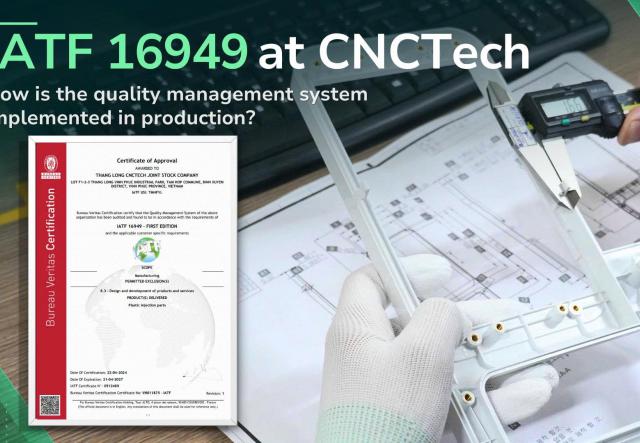
How CNCTech applies IATF 16949 in molding and tooling: APQP/PPAP, in-process QC, LOT traceability and corrective actions with effectiveness checks
Industry news
23-10-2026
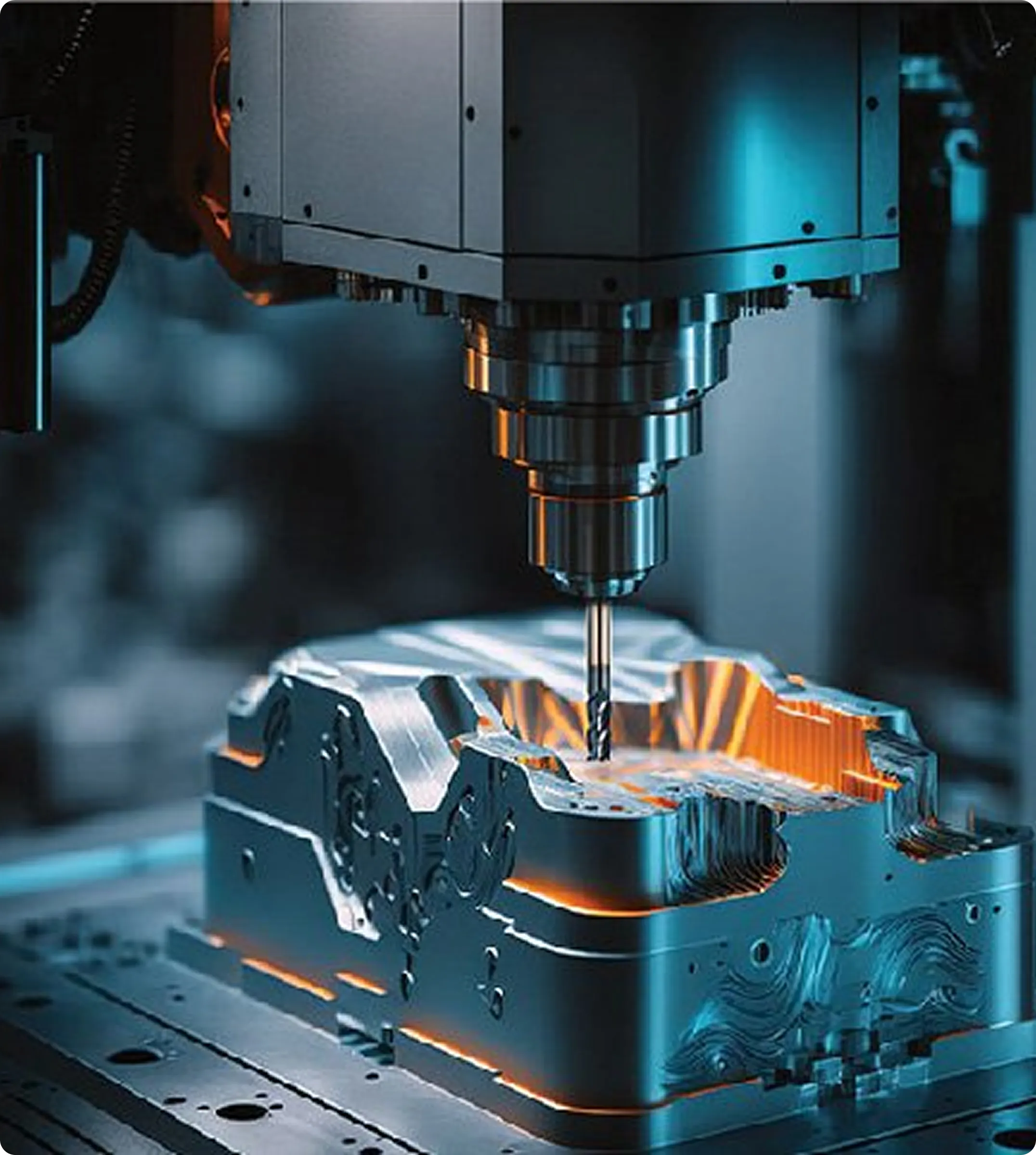
Die Spotting Press and Mold Finishing Capabilities at CNCTech
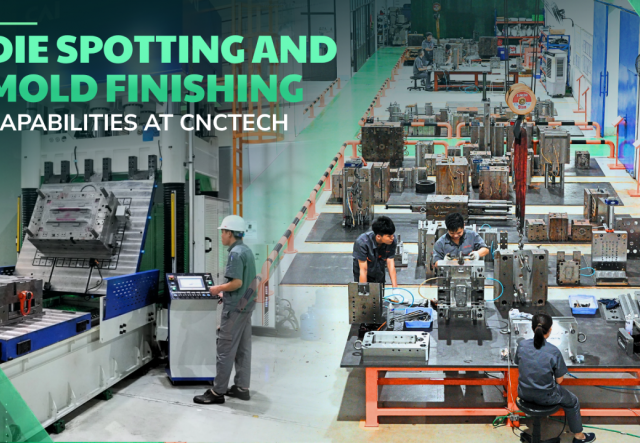
In precision mold manufacturing, achieving dimensional accuracy for individual components is only one part of the process. Ensuring proper alignment and consistent contact between the mold core and cavity requires additional inspection, adjustment, and finishing operations after assembly.
Dimensional deviations accumulated across multiple components, distortion following heat treatment, and deformation under operating loads can affect the contact condition of mating mold surfaces. This is why die spotting plays an important role in mold fitting and finishing, helping manufacturers identify contact inconsistencies and make necessary adjustments before mold trials and production.
Industry news
19-10-2026
Crossing the "Valley of Death": How Vietnamese Firms Are Preparing for the Chip Era, and Why R&D Is the Key to Foreign Investment

Split the semiconductor value chain into six stages: product definition, system design, detailed design, fabrication, packaging and testing, and integration and testing. Until this year, Vietnam was present in five of them. The missing link was fabrication. The groundbreaking of the country's first chip fabrication plant at Hoa Lac in January began to fill that gap
Industry news
02-10-2026
WHAT WE LEARNED FROM THE U.S. MANUFACTURING INDUSTRY
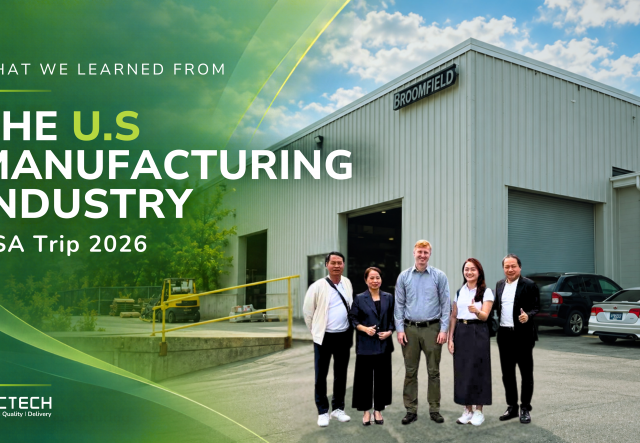
As USA Trip 2026 came to a close, CNCTech returned with new connections and potential opportunities for collaboration, along with valuable first-hand insights into how the U.S. manufacturing landscape is evolving.
The trip gave our team the opportunity to visit customer facilities, gain a deeper understanding of their operations and quality standards, and discuss sourcing strategies and real-world manufacturing challenges.
Industry news
25-09-2026
From AS9100 Certification to the Shop Floor: What Really Keeps Quality Consistent in Production?
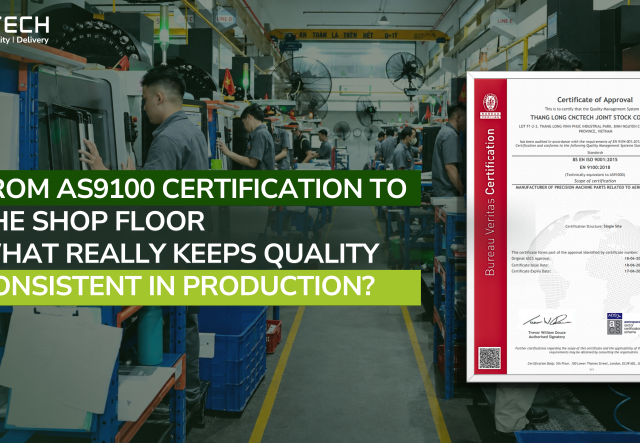
In precision manufacturing, achieving AS9100 certification or producing a flawless First Article is not necessarily the biggest challenge.
The more difficult question comes with the 10th production batch or when the same part returns to production one or two years later: How can quality remain consistent across batches and production shifts?
A certificate provides the framework. But on the shop floor, the real difference lies in how that system controls each stage of the manufacturing process.
Here are several insights from CNCTech’s operations on how AS9100 requirements are translated from documentation into day-to-day manufacturing practices.
Industry news
23-09-2026
JAPAN MANUFACTURING: 4 LESSONS FROM FBC ASEAN 2026
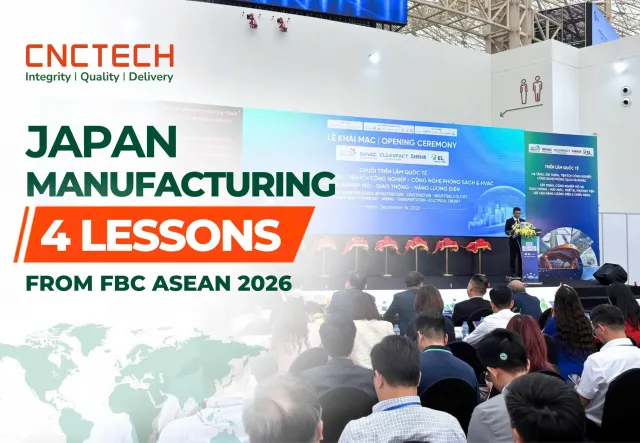
Discover 4 lessons from Japan manufacturing at FBC Asean 2026, from automation and quality to partnerships and supply-chain resilience.
Industry news
17-09-2026
USA TRIP 2026 | THE COURAGEOUS JOURNEY: WEEK 2 RECAP
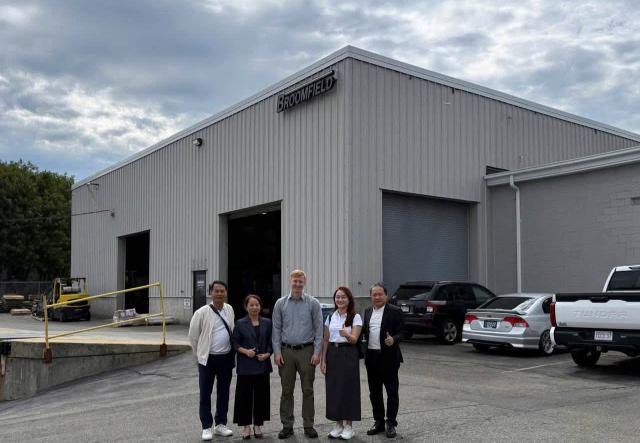
Discover CNCTech’s USA trip 2026 week 2 recap, featuring customer visits, valuable lessons, and insights on building stronger manufacturing partnerships.
Industry news
14-09-2026
USA TRIP 2026 | THE COURAGEOUS JOURNEY

3 First Days – 4 Memorable Meetings – 3 Historic Milestones
Industry news
03-09-2026