JAPAN MANUFACTURING: 4 LESSONS FROM FBC ASEAN 2026


Japan has long been recognized for manufacturing excellence, with a strong reputation for precision, quality, continuous improvement, and technical expertise. Yet the Japanese manufacturing industry is also navigating challenges shared by manufacturers worldwide, including labor shortages, rising costs, digital transformation, and supply chain uncertainty.
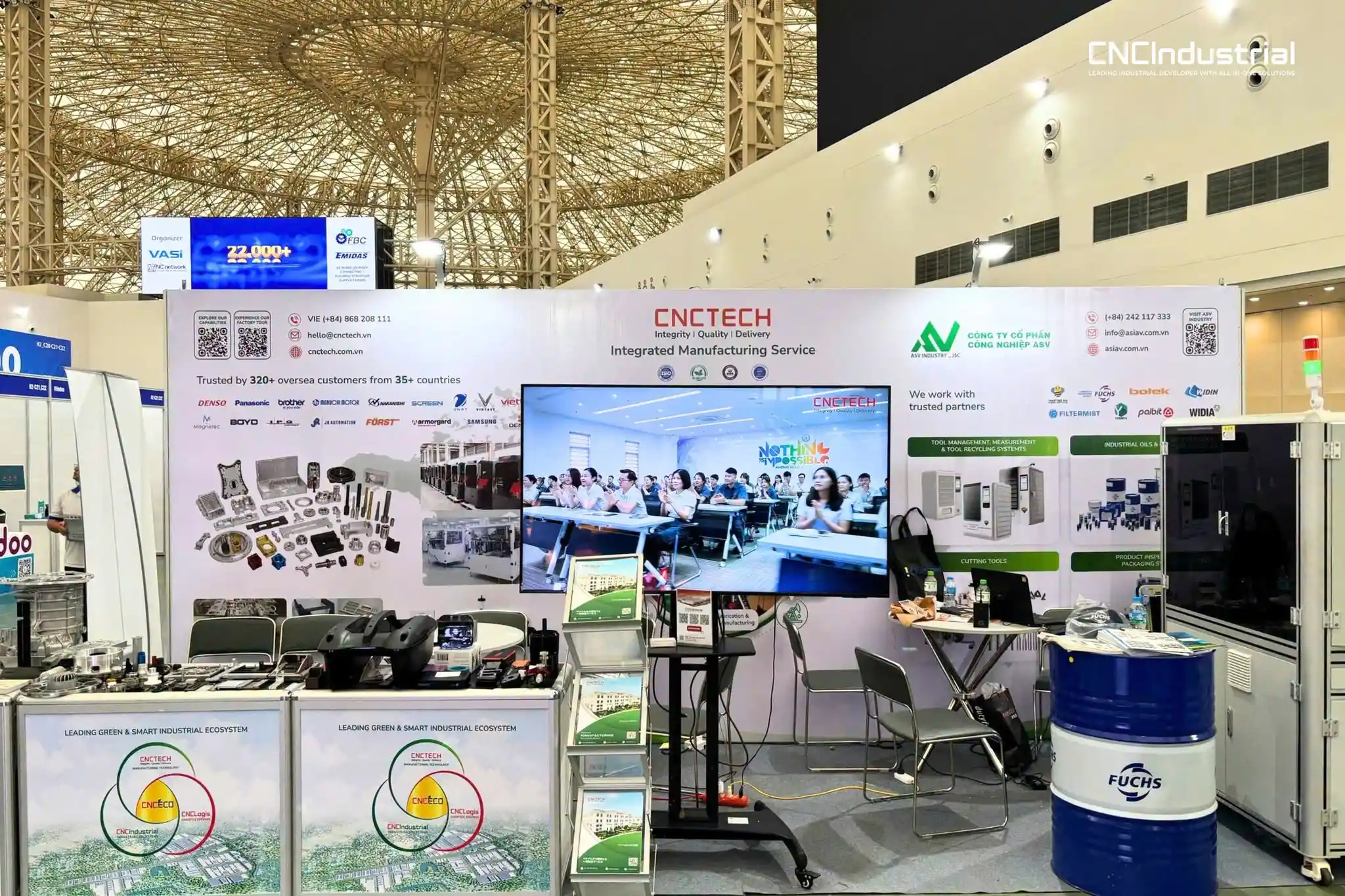
After participating in FBC Asean 2026 on September 16-18, CNCTech had the opportunity to engage with manufacturers and industry stakeholders in one of Japan's major industrial hubs. The event provided more than an opportunity to introduce our Vietnam-based manufacturing capabilities. It also offered a closer look at how manufacturers are responding to changing requirements across today's industrial landscape.
From the experience at FBC Asean 2026, together with broader observations of Japan's manufacturing industry, we identified four lessons that are increasingly relevant to manufacturers and global OEMs.
What we observed at FBC ASEAN 2026
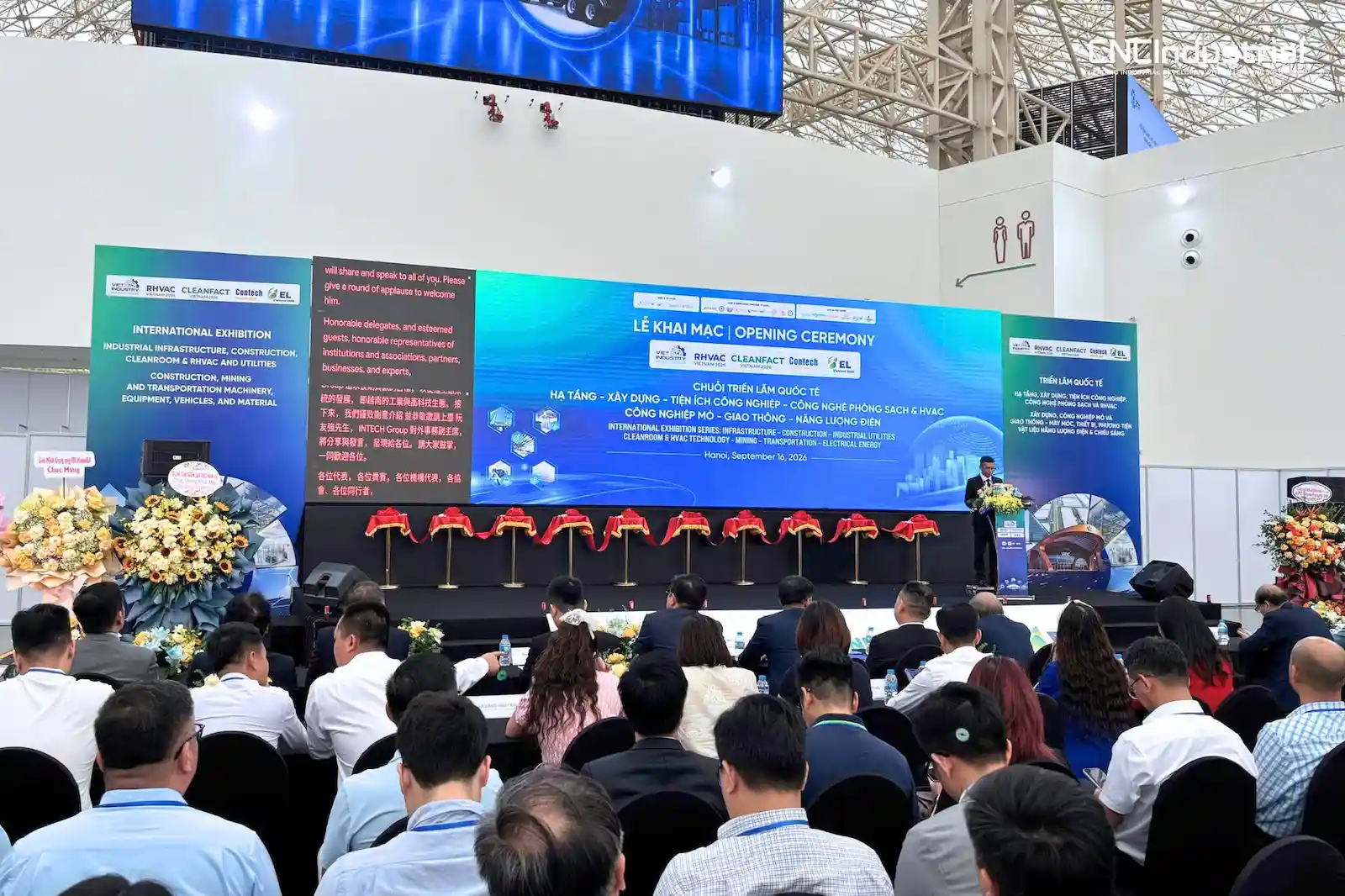
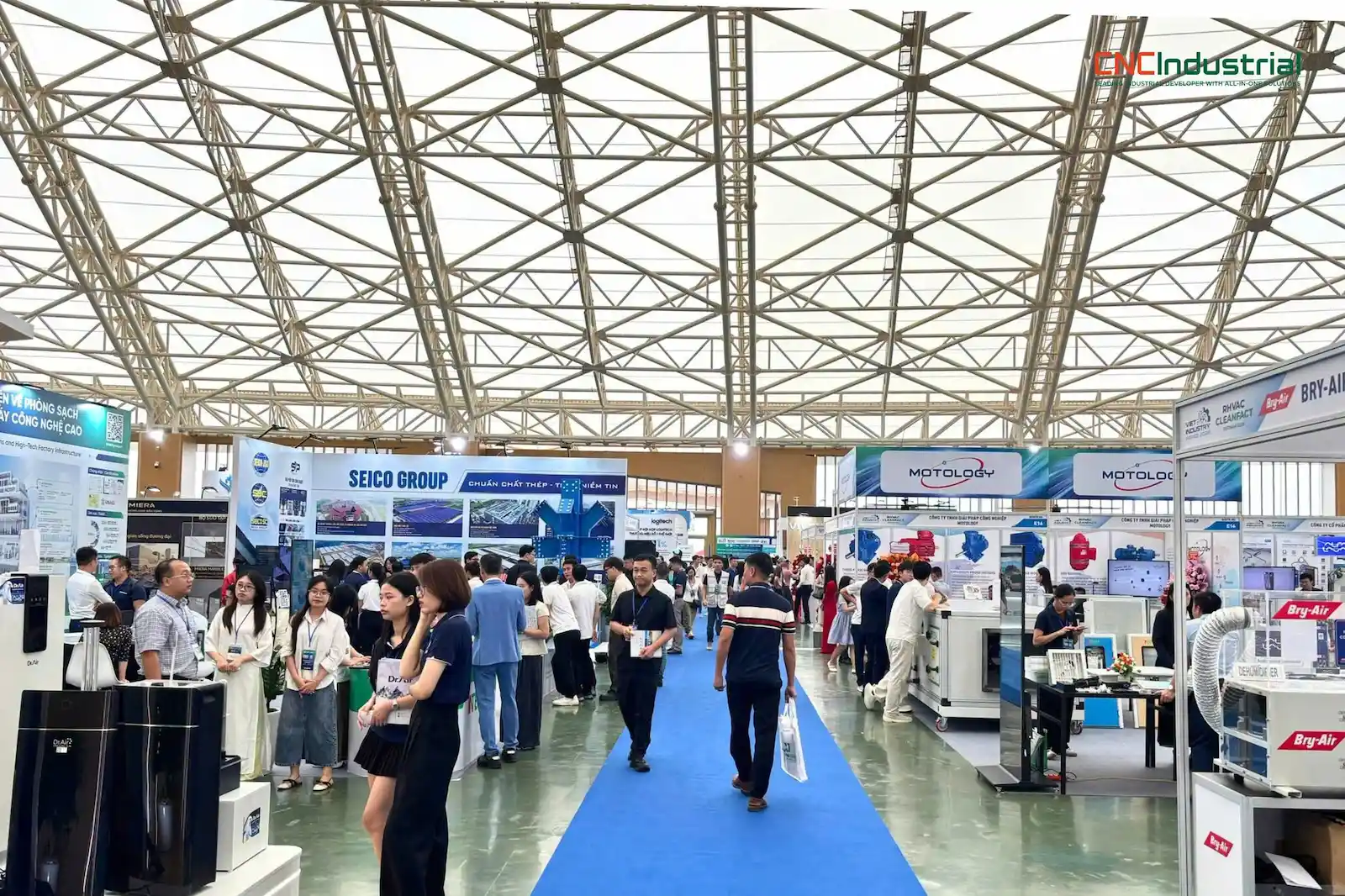
FBC Asean 2026 brought together nearly 1000 companies and organizations across manufacturing, AI and DX, robotics, aerospace, electronics, energy, and other industrial sectors. The event was designed not only for product exhibitions but also for technical exchange, seminars, networking, and business matching.
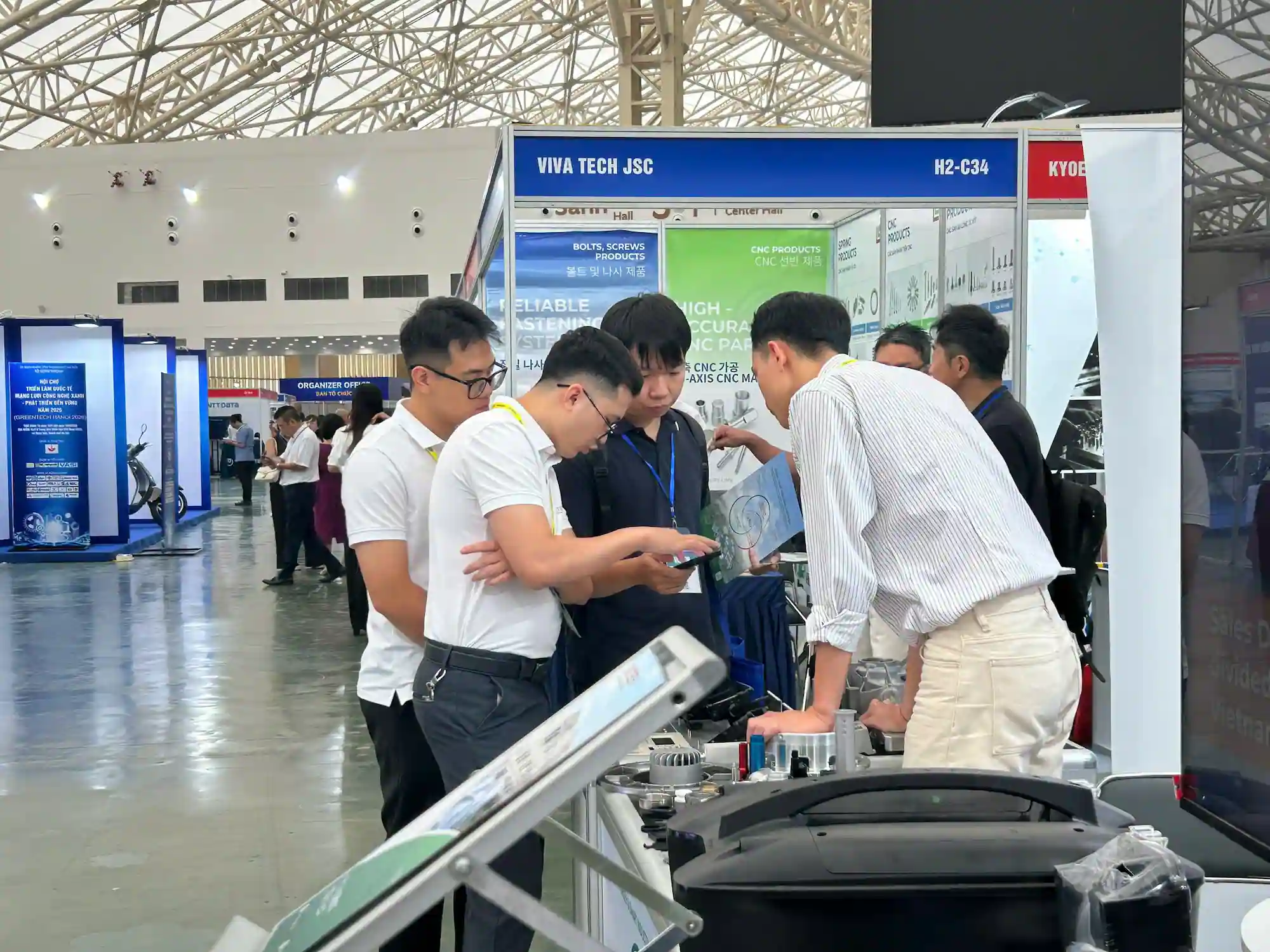
For CNCTech, participating in FBC Asean 2026 was an opportunity to connect with Japanese businesses and better understand their manufacturing, technical, and sourcing requirements. Our discussions focused particularly on industries such as aerospace, semiconductor, and automotive, where precision, process stability, consistent quality, and traceability are critical considerations when selecting manufacturing partners.
Two observations stood out.
Technology is becoming more integrated into manufacturing
Manufacturing technology is increasingly moving beyond individual machines or isolated processes. Automation, AI, robotics, and digital technologies are being considered as part of broader production systems designed to improve productivity, quality, and operational efficiency.
Japanese manufacturers are increasingly turning to digital transformation, automation, AI, and data-driven operations in response to labor shortages and rising production costs. Applications such as AI-based demand forecasting, predictive maintenance, and image-based inspection are among the technologies being adopted or explored in manufacturing environments (Orbray, 2026).
Manufacturing partnerships go beyond production
Another observation was that manufacturing cooperation is increasingly about more than producing individual components.
For technically demanding industries, a manufacturing relationship can involve engineering communication, process control, quality consistency, sourcing, and coordination throughout product development and production.
Collaboration is also becoming increasingly important as manufacturers address challenges that extend beyond individual factories. In Japan's industrial transformation, companies are increasingly looking beyond isolated technical solutions and toward shared knowledge, common infrastructure, and sector-wide cooperation (Glass Futures, 2026).
These observations lead to four broader lessons from Japan's manufacturing industry.
1. Automation should augment manufacturing expertise
Japan's manufacturing sector faces a structural workforce challenge. Its working-age population declined from 87.26 million in 1995 to 73.52 million in 2025, a decrease of approximately 16%. As this demographic trend is difficult to reverse, manufacturers are increasingly looking toward automation, robotics, AI, standardized processes, and data-driven operations to maintain productivity (Orbray, 2026).
However, automation does not necessarily mean replacing human expertise.
AI is being explored for applications such as furnace optimization, predictive maintenance, inspection, and process efficiency, while manufacturers continue to recognize the value of human experience and technical expertise. This reflects a broader approach in which technology supports manufacturing capabilities rather than simply replacing them (Glass Futures, 2026).
The broader lesson is that the future of manufacturing is not simply about replacing people with machines. It is about combining human expertise with technology to create more capable and efficient production systems.
For manufacturers, this can mean:
Automating repetitive or physically demanding operations
Using AI and data to support decision-making
Applying predictive maintenance to reduce equipment downtime
Improving inspection and process monitoring
Standardizing production processes to reduce dependence on individual expertise
At CNCTech, automation and system integration form part of our integrated manufacturing capabilities. By combining manufacturing processes with automation solutions, we aim to help customers improve production efficiency while maintaining the consistency required for industrial applications.
2. Manufacturing excellence comes from consistent processes
Japan's manufacturing reputation is often associated with precision and quality. However, consistent quality cannot depend solely on the skill of individual workers. It requires processes that can repeatedly deliver the expected results.
This is particularly important as manufacturers face labor shortages and increasingly complex production requirements. Standardized processes and data-driven operations can help reduce dependence on individual expertise while improving operational efficiency (Orbray, 2026).
This principle is also relevant to global OEMs.
When evaluating a manufacturing supplier, buyers may look beyond whether a supplier can produce a particular component. They also need confidence that the supplier can maintain consistent quality across production volumes and over time.
That requires a combination of:
Process standardization
Quality control
Production monitoring
Inspection and testing
Traceability
Continuous improvement
For technically demanding sectors such as aerospace, semiconductor, and automotive manufacturing, these factors become even more important. At FBC Asean 2026, CNCTech focused on understanding these requirements and how manufacturing capabilities can support customers throughout product development and production.
For CNCTech, this reinforces the importance of combining precision manufacturing capabilities with controlled and repeatable processes rather than treating machining or production as an isolated activity.
3. Strong manufacturing partnerships go beyond production
One of the most important lessons from Japan's manufacturing ecosystem is the value of collaboration.
A manufacturing partner is not simply a company that operates machines and delivers finished parts. In increasingly complex supply chains, manufacturers may need to contribute technical knowledge, engineering support, process improvement, quality management, and production scalability.
Technical exchange and collaboration are becoming increasingly important as manufacturers tackle challenges that cannot be solved by individual companies alone. In Japan, this approach extends from sharing technical knowledge to working collectively on broader industrial challenges and infrastructure (Glass Futures, 2026).
This collaborative approach was particularly relevant at FBC Asean 2026, where technical exchange and business matching were central parts of the event. The fair brought together companies, universities, research institutions, and industry organizations to facilitate technical exchange and new business opportunities.
For global OEMs, this means that choosing a manufacturing partner should involve more than comparing prices or available equipment.
A capable manufacturing partner should be able to contribute across areas such as:
Technical communication
Engineering support
Manufacturing process development
Quality control
Production scaling
Supply chain coordination
This is also where an integrated manufacturing model can create value.
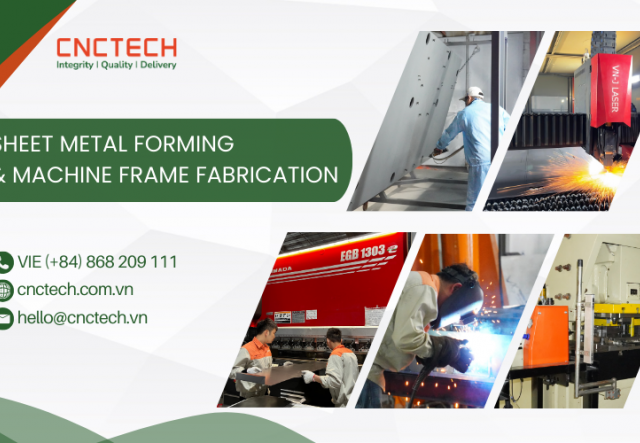
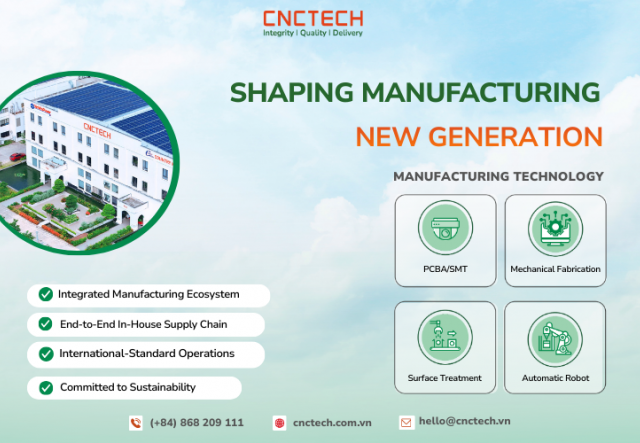
CNCTech brings together capabilities including precision CNC machining, tooling and molding, plastic injection molding, sheet metal fabrication, surface treatment, automation and integration, and EMS/OEM/ODM services. This enables customers to access multiple manufacturing capabilities within an integrated production network.
4. Supply chain resilience is becoming as important as cost
Cost competitiveness has traditionally been an important consideration when selecting manufacturing locations. However, recent changes in the global manufacturing environment show that cost alone is no longer enough.
Japanese manufacturers are increasingly addressing procurement risks by diversifying production sites, sourcing options, and processes, securing alternative materials, and reducing excessive concentration in a single region. Supply chain resilience has therefore become an increasingly important part of manufacturing strategy (Orbray, 2026).
For global OEMs, this creates an important question:
How can manufacturing networks remain competitive while becoming more resilient?
A resilient manufacturing strategy may involve:
Multiple qualified suppliers
Diversified production locations
Alternative sourcing options
Flexible production capacity
Strong quality and process controls
Reliable communication across the supply chain
This does not necessarily mean moving production entirely from one country to another. Instead, companies can build more diversified manufacturing networks in which different production locations provide additional capacity, capabilities, or supply chain flexibility.
This shift also highlights the growing role of Vietnam manufacturing as global OEMs look to diversify production locations and strengthen supply-chain resilience.
For CNCTech, this is also an important area of focus. At FBC Asean 2026, we introduced CNCTech's Vietnam-based manufacturing capabilities and explored potential cooperation with Japanese businesses looking for manufacturing partners in Vietnam.
What Japan's manufacturing lessons mean for global OEMs
Japan's experience suggests that manufacturing competitiveness is becoming increasingly multidimensional.
The key considerations are no longer limited to production cost or individual machine capabilities.
Lesson from Japan | What OEM Buyers Should Look For |
Automation + human expertise | Modern production technology and technical expertise |
Standardized processes | Consistent quality and process control |
Collaboration | Engineering and technical support |
Supply chain resilience | Diversified and reliable manufacturing options |
For global OEMs, these lessons highlight the importance of evaluating manufacturing partners based on their broader capabilities.
A suitable partner should not only be able to manufacture a component. It should also have the processes, technology, expertise, and capacity needed to support the customer's requirements as projects evolve.
What these lessons mean for Vietnam manufacturing
Japan's manufacturing experience also provides useful lessons for Vietnam.
As global companies diversify their supply chains, Vietnam has an opportunity to move beyond its reputation as a cost-competitive production location. Long-term participation in global manufacturing supply chains increasingly requires stronger capabilities in technology, engineering, quality management, automation, and production scalability.
For Vietnamese manufacturers, the challenge is therefore not simply to offer competitive costs. It is to build manufacturing capabilities that meet the expectations of increasingly demanding global customers.
This includes the ability to:
Produce precision components consistently
Maintain controlled manufacturing processes
Integrate multiple production capabilities
Support engineering and product development
Scale production when demand increases
Contribute to more resilient supply chains
These are the capabilities that can help Vietnam strengthen its role as part of a diversified Asian manufacturing network.
How CNCTech is applying these manufacturing lessons
For CNCTech, FBC Asean 2026 was not only an opportunity to introduce its manufacturing capabilities in Vietnam, but also a chance to engage directly with Japanese businesses, gain a deeper understanding of their technical requirements, and learn more about changes in global supply chains. These discussions also gave CNCTech an opportunity to reflect on how manufacturing capabilities, engineering, and quality need to work together to meet the increasingly demanding requirements of global customers.
After 18 years of development, CNCTech has built manufacturing capabilities serving 300+ customers across 35+ countries, supported by 8 core manufacturing services, including:
Precision CNC machining
Tooling and mold manufacturing
Plastic injection molding
Sheet metal and machine frame fabrication
Metal surface treatment
Automation and system integration
EMS and OEM/ODM services
CNCTech’s manufacturing capabilities are supported by a production network with more than 60,000 m² of production space and over 400 CNC machines, enabling the company to support projects ranging from individual components to large-scale production programs.
For Japanese and international companies considering Vietnam as part of their manufacturing strategy, this integrated approach can provide an opportunity to work with a manufacturing partner that combines multiple production capabilities within one network.
Frequently asked questions about Japan's manufacturing industry (FAQ)
What makes Japan's manufacturing industry competitive?
The competitiveness of Japan's manufacturing industry does not come from precision or technology alone. A combination of technical expertise, stable processes, continuous improvement, quality control, and long-term collaboration also plays an important role.
What challenges is Japan's manufacturing industry facing?
Key challenges facing Japan's manufacturing industry include labor shortages, a declining working-age population, rising production costs, the need for digital transformation, and supply chain risks. These challenges are encouraging manufacturers to adopt automation, data-driven operations, and more resilient supply chain strategies.
What can global OEMs learn from Japan's manufacturing industry?
Global OEMs can learn from Japan's approach to combining automation with human expertise, standardizing manufacturing processes, developing deeper relationships with manufacturing partners, and diversifying production networks to improve supply chain resilience.
Why is Vietnam relevant to manufacturing diversification?
Vietnam is increasingly being considered as a manufacturing location in Asia. For global companies, working with manufacturers that offer technical capabilities, quality control, and multiple integrated production processes can help expand and diversify their supply networks.
Looking for a qualified manufacturing partner in Vietnam? Request a quote →
Conclusion: What we learned from FBC Asean 2026
Japan's manufacturing industry is facing many of the same pressures seen across global manufacturing: labor shortages, rising costs, digital transformation, sustainability requirements, and supply chain uncertainty.
What stands out is not simply the technology being adopted, but the broader approach to industrial transformation.
Japan's experience highlights the importance of combining technical expertise, process discipline, continuous improvement, collaboration, and long-term thinking.
Our participation in FBC Asean 2026 gave CNCTech an opportunity to observe these principles through direct conversations with companies and industry stakeholders. It also reinforced an important point for the future of manufacturing: competitiveness is no longer defined by one technology, one process, or one cost advantage.
It is built through the ability to continuously improve, collaborate, adapt, and provide reliable manufacturing capabilities within an increasingly interconnected global supply chain.
For CNCTech, these lessons will continue to inform our efforts to develop manufacturing capabilities in Vietnam and support global OEMs looking for reliable and scalable manufacturing partners in Asia.
Contact information
Email: hello@cnctech.vn
Phone: (+84) 868 208 111
Corporate Website: https://cnctech.com.vn/
Manufacturing Technology Website: https://cnctech.com.vn/manufacturing
Linkedin: linkedin.com/company/cnctech-manufacturing-technology
Tiktok: https://www.tiktok.com/@cnctechmanufacturing
Youtube: https://www.youtube.com/@cnctech-vn

Tin tức liên quan