Optical Scope Manufacturing: How CNCTech Solved Machining, Assembly and Surface Finishing Challenges


Optical Scope Manufacturing: How CNCTech Solved Machining, Assembly and Surface Finishing Challenges
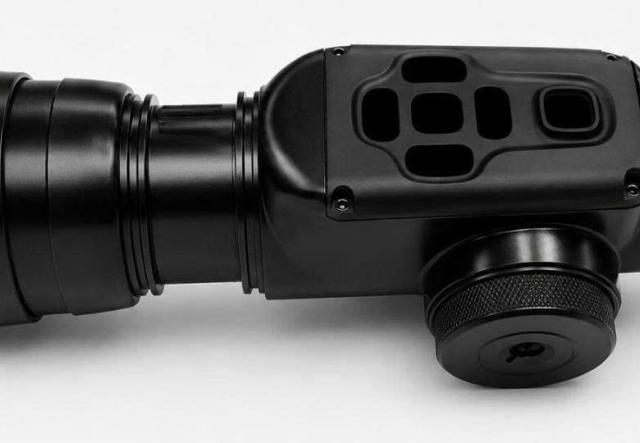
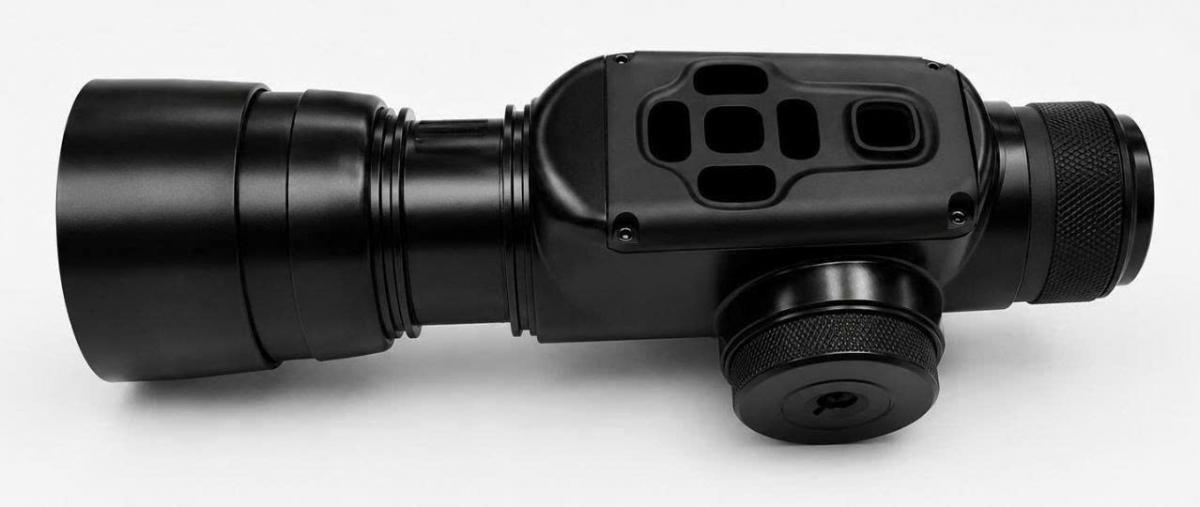
Optical scope manufacturing combines tight mechanical fits with demanding surface finishes. In a project for a European customer, CNCTech took part from product development and prototyping through to mass production, covering machining, assembly, inspection, and delivery of finished products.
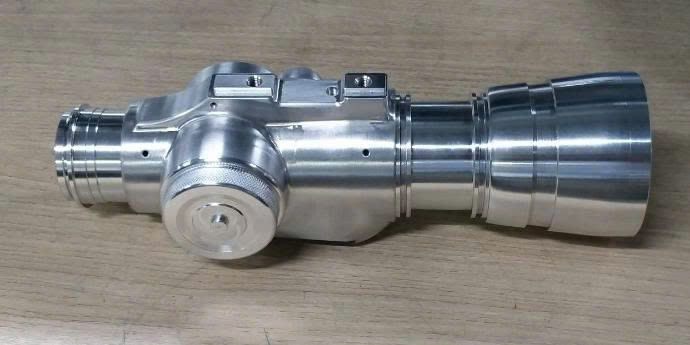
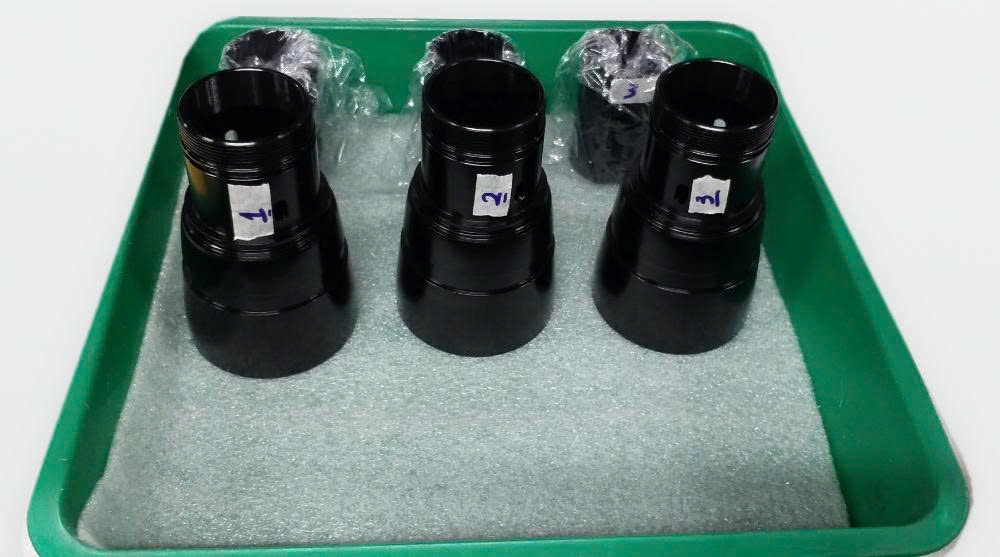
The main difficulty was a set of thin-walled aluminum components with moving threaded joints. A fit that is too tight makes adjustment difficult, while too much clearance compromises assembly stability. The parts also needed a matte black, anti-reflective finish: exterior paint coating combined with interior anodizing.
To meet these requirements, CNCTech coordinated workholding methods, assembly fit tolerances, and surface masking solutions across different manufacturing stages. This case study explains how.
Project Overview
Item | Detail |
|---|---|
Product | Optical scope |
Customer | European customer |
Scope of work | Machining, assembly, inspection, and delivery of finished products |
Project stages | Product development, prototyping, mass production |
Machined material | Aluminum |
Mechanical requirement | Smooth movement of threaded joints while maintaining concentricity between components |
Surface finish requirement | Matte black, anti-reflective; outdoor-grade paint on exterior surfaces (resistant to UV exposure, high humidity and marine salt environments); anodizing on interior surfaces |
In the mechanical assembly, components move relative to one another through threaded joints. These joints must allow smooth adjustment while keeping the correct positional relationship between components, as set by the design specifications.
Applying two different surface finishing processes to the same component adds a second requirement: precise control of the designated treatment areas, especially at the boundaries between painted and anodized surfaces.
Engineering Challenges
1. Smooth movement without excessive clearance
During implementation, the engineering team identified two opposite problems:
- Excessively tight fit: movement was restricted and components could get stuck during adjustment.
- Excessively loose fit: the image blurred after relative movement between components.
The goal was a fit that allowed smooth movement while maintaining concentricity, meaning the alignment of the central axes of tubular components during operation. For the multi-start threaded joints, the tolerances of mating components had to be controlled according to actual assembly and movement requirements.
2. Preventing clamping-induced deformation in thin-walled components
Accurate machining requires components to be held securely, but the thin-walled aluminum structure made choosing a workholding method difficult.
- Too much clamping force could dent or deform the part, affecting geometry and assembly fit.
- Too little clamping force could cause vibration during machining, making the required tolerances hard to achieve.
The workholding solution therefore had to provide enough stability for machining and cause minimal deformation at the same time.
3. Combining painting and anodizing on the same component
All components required a matte black, anti-reflective finish, but exterior and interior surfaces used different treatments:
- Exterior surfaces: outdoor-grade paint coating designed to withstand UV exposure, high humidity and marine salt environments.
- Interior surfaces: anodizing according to product specifications.
The hardest part was the boundary between the two finishes. During exterior painting, areas where paint was not allowed, including the relevant anodized surfaces, had to be protected. Beyond meeting each finish's own requirements, the process needed precise control of the painting and anodizing areas on every component.
CNCTech's Solutions
1. Axial clamping fixtures for thin-walled components
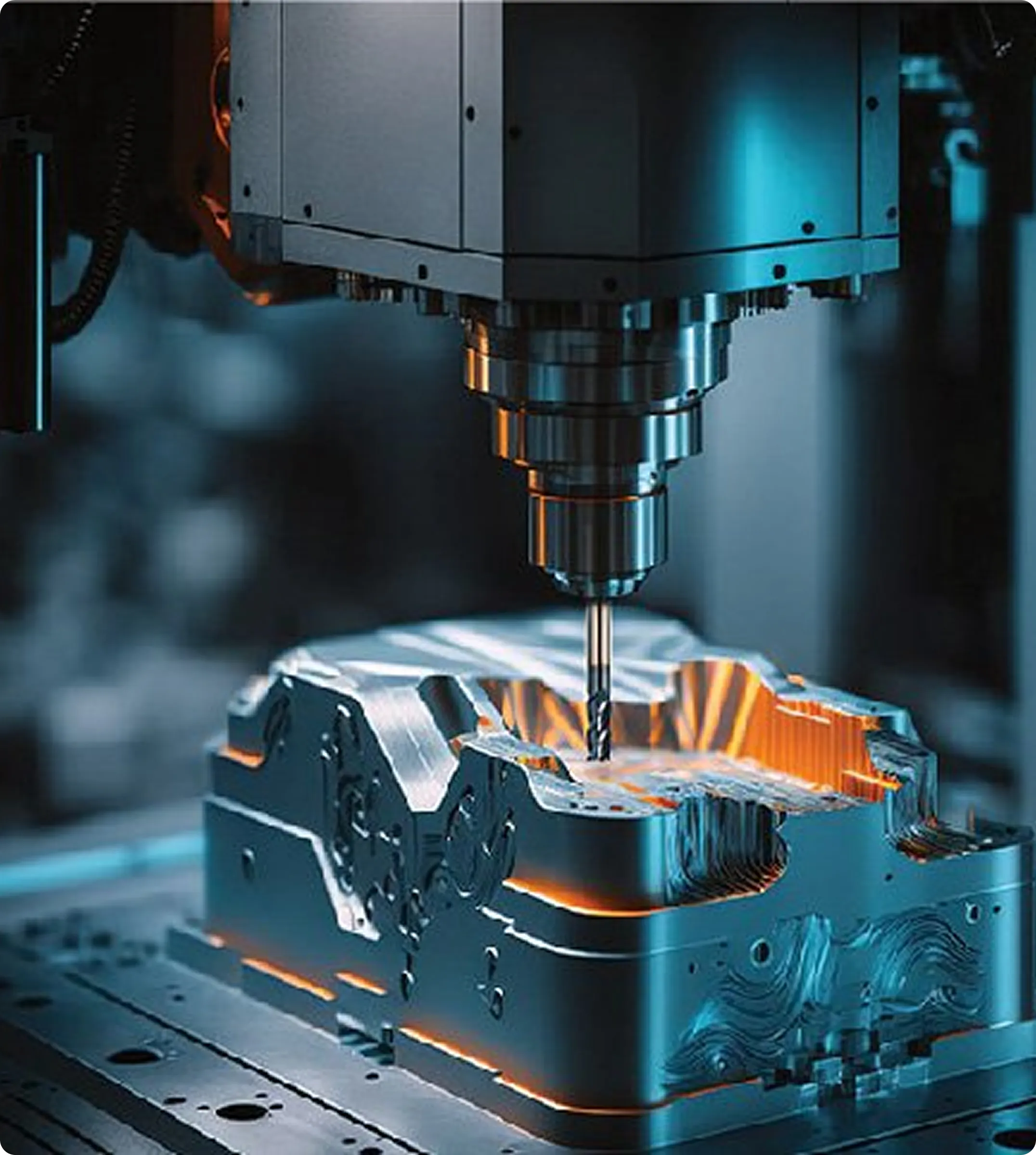
CNCTech developed an axial clamping fixture as an alternative to conventional radial clamping. The aim was to minimize deformation of the thin-walled sections while keeping workholding stable enough for machining.
Rather than simply adjusting the clamping force, the engineering team reconsidered how the components should be held, based on their structure and assembly requirements. This workholding approach became part of the overall method for controlling component geometry before assembly.
2. Adjusted fit tolerances for moving joints
For components with multi-start threads, CNCTech adjusted assembly fit tolerances to achieve the right engagement between mating parts. The adjustments focused on three requirements:
- Allow smooth relative movement between components.
- Prevent fits that are too tight or too loose.
- Maintain the required concentricity during movement.
The objective was to make sure each component worked correctly once integrated into the final assembly, so machining requirements were evaluated against the product's actual operating functions.
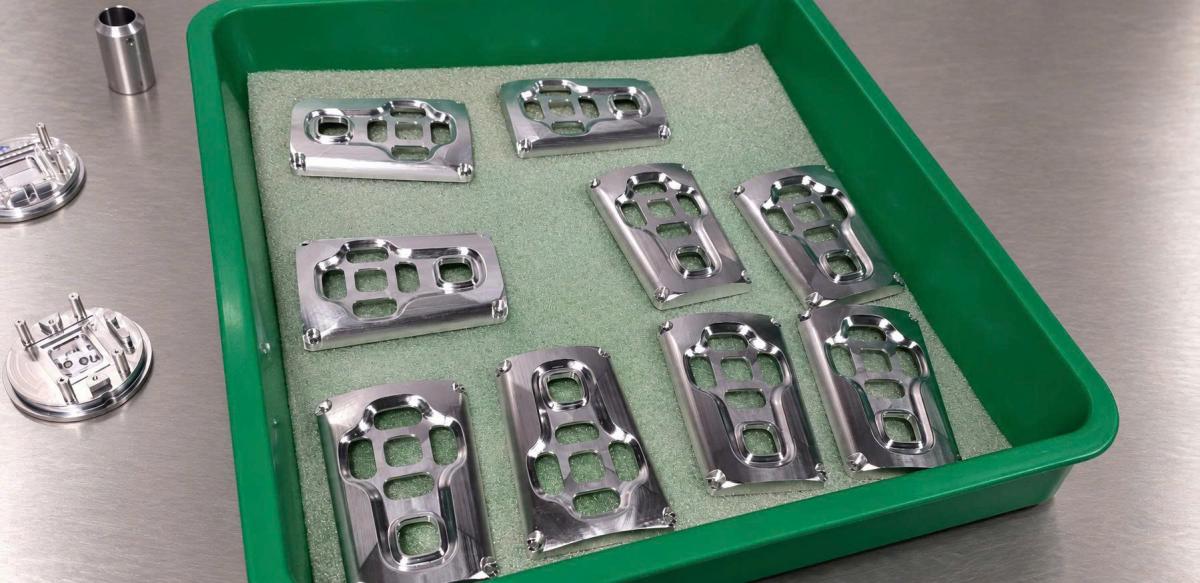
3. Masking fixtures to protect non-painted surfaces
For components with anodized interior surfaces and painted exterior surfaces, CNCTech designed dedicated masking fixtures for individual processing stages, combined with protective masking of the areas that had to stay free of paint throughout finishing. The solution focused on:
- Masking areas where paint application was prohibited.
- Protecting surfaces that had to remain unchanged according to process requirements.
- Controlling the treatment boundaries between painted and anodized areas.
Designing masking fixtures for each processing stage helped the protection methods match the component geometry and the designated treatment areas. This supported the product's surface finishing requirements alongside machining and assembly.
4. Coordinating machining, surface finishing and assembly
Because CNCTech was involved from the prototyping stage, the team could address issues directly as they appeared during product development and finalization. Each technical solution had a specific purpose:
Solution | Purpose |
|---|---|
Machining fixtures | Support control of component geometry |
Fit tolerance adjustments | Ensure proper engagement and movement within the assembly |
Masking fixtures and protective masking | Keep surface treatment areas clearly separated |
By handling machining, assembly, and inspection within the project scope, CNCTech could address these challenges in the context of the finished product.
Results
According to the project manager's assessment, CNCTech resolved the assembly fit and movement issues found during implementation and met the product's technical performance requirements.
For surface finishing, dedicated masking fixtures combined with protective masking were used to address the requirements for painted exterior surfaces, anodized interior surfaces, and the boundaries between them.
The project progressed through prototyping and mass production, and CNCTech supplied finished products to the European customer. The customer expressed satisfaction with the results.
Lessons Learned
Machining requirements need to be evaluated together with the product's assembly conditions, operating functions, and surface finishing specifications.
- Thin-walled parts with moving joints: workholding methods and assembly fit tolerances must be addressed together.
- Multiple finishes on one part: defining treatment areas and developing suitable masking solutions become essential parts of project execution.
- Early involvement: joining at the prototyping stage lets engineering issues be solved before mass production.
In this optical scope project, CNCTech's engineering experience showed in practical solutions: suitable workholding fixtures, adjusted assembly fit tolerances, protection of designated surface areas, and coordinated manufacturing of finished products. It reflects how CNCTech supports customers in solving real engineering and manufacturing challenges across product development and production.
Frequently Asked Questions
What was CNCTech's scope in the optical scope project?
CNCTech handled machining, assembly, inspection, and delivery of finished products, and took part from product development and prototyping through to mass production.
How can thin-walled aluminum parts be machined without clamping deformation?
In this project, CNCTech used an axial clamping fixture instead of conventional radial clamping, to reduce deformation of thin-walled sections while keeping the part stable for machining.
How do you apply paint and anodizing to the same component?
CNCTech designed dedicated masking fixtures for each processing stage and added protective masking on areas that had to stay free of paint, so the boundary between painted and anodized surfaces stayed under control.
What finish did the optical scope components require?
A matte black, anti-reflective finish: outdoor-grade paint on exterior surfaces, resistant to UV exposure, high humidity and marine salt environments, and anodizing on interior surfaces.
Have a Similar Precision Machining or Assembly Project?
If your product combines thin-walled parts, moving joints, or mixed surface finishes, CNCTech can support you from prototyping to mass production.
Contact information
Email: hello@cnctech.vn
Phone: (+84) 868 208 111
Corporate Website: https://cnctech.com.vn/
Manufacturing Technology Website: https://cnctech.com.vn/manufacturing
Linkedin: http://linkedin.com/company/cnctech-manufacturing-technology/
Tiktok: https://www.tiktok.com/@cnctechmanufacturing
Youtube: https://www.youtube.com/@cnctech-vn

Tin tức liên quan