From Wastewater Recycling to AI Waste Sorting: Key Manufacturing Trends CNCTech Observed at IFAT 2026


The CNCTech team recently attended IFAT Munich 2026 — the world’s leading trade fair for water, wastewater, waste, and raw materials management.
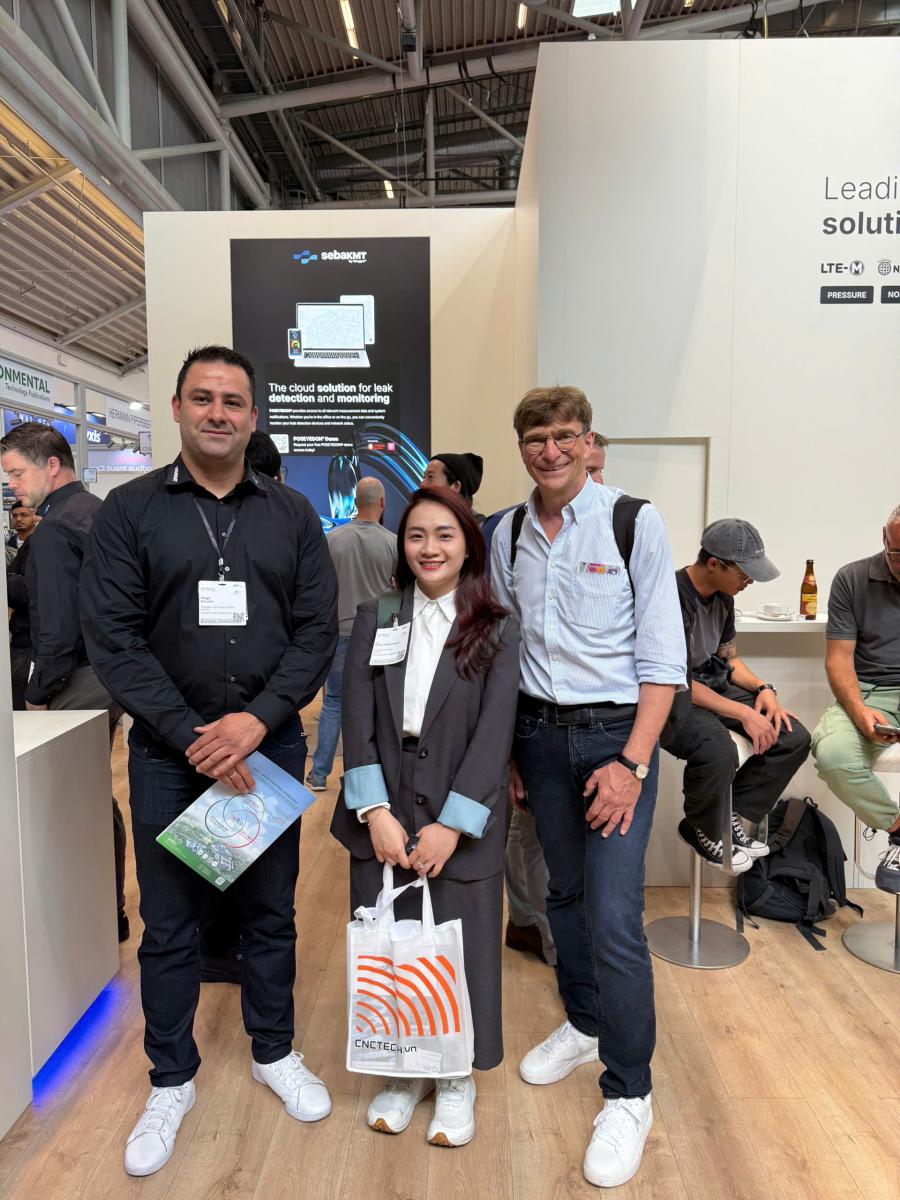
Representing CNCTech at the exhibition were Mr. Andreas – Europe Regional Representative and Tracy – Sales Leader, who joined global businesses, technology providers, and industry partners to explore the latest innovations in environmental solutions and sustainable industrial development.
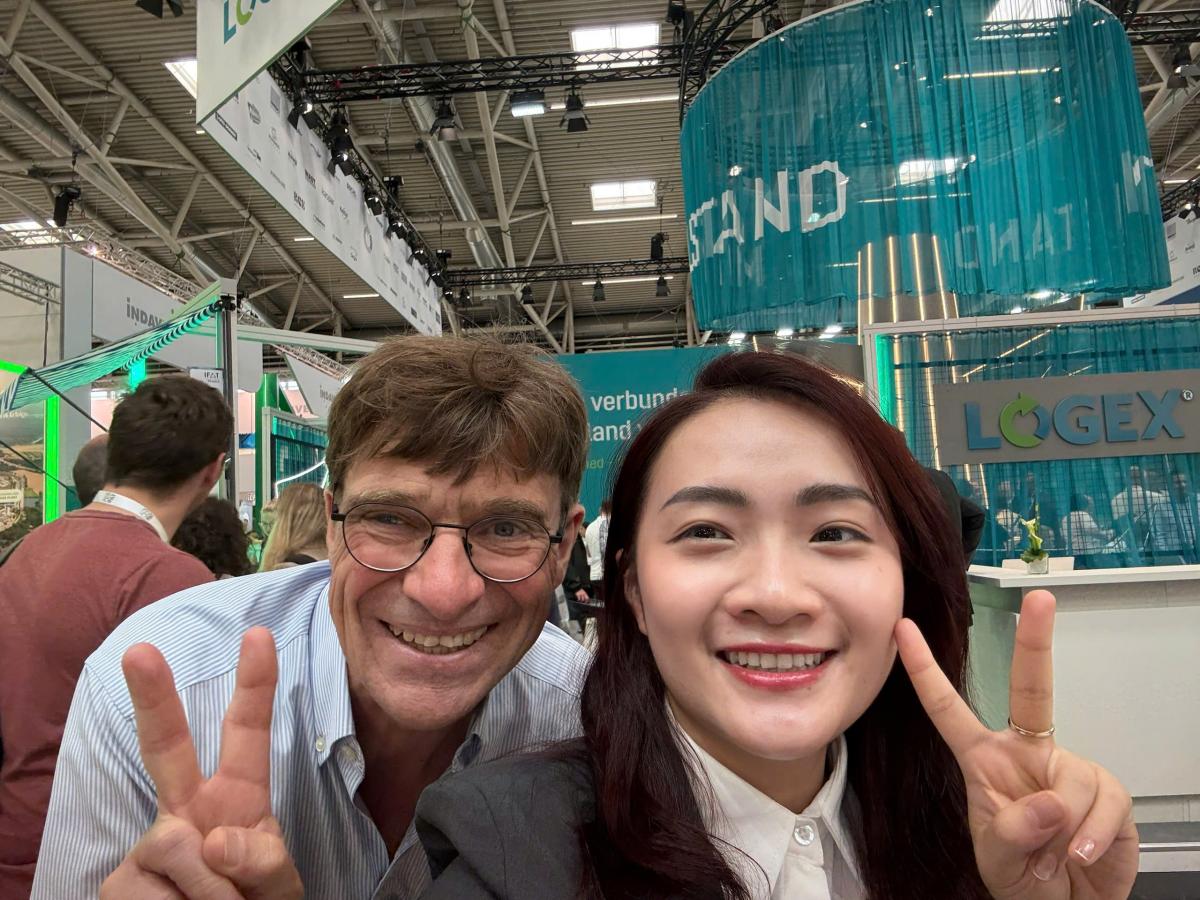
At CNCTech, building a “Green & Smart Industrial Ecosystem” has always been one of our core strategic directions. That is why we attended IFAT not only to visit the exhibition, but also to research, learn, and explore practical solutions that can help improve manufacturing ecosystems toward smarter and more sustainable operations.
One of the most notable trends observed by the CNCTech team at this year’s IFAT was the growing adoption of closed-loop water recycling systems in manufacturing facilities.
Traditionally, most industrial wastewater would be treated and discharged through conventional processes. However, many manufacturers are now investing in advanced multi-stage filtration systems integrating RO (Reverse Osmosis), UF (Ultrafiltration), and biological treatment technologies to recycle and reuse water directly within factory operations. This approach helps significantly reduce daily freshwater consumption while optimizing long-term operational costs.
This trend is becoming particularly important in water-intensive industries such as semiconductors, precision machining, and metal surface treatment, where sustainable water management is increasingly becoming a new industry standard.
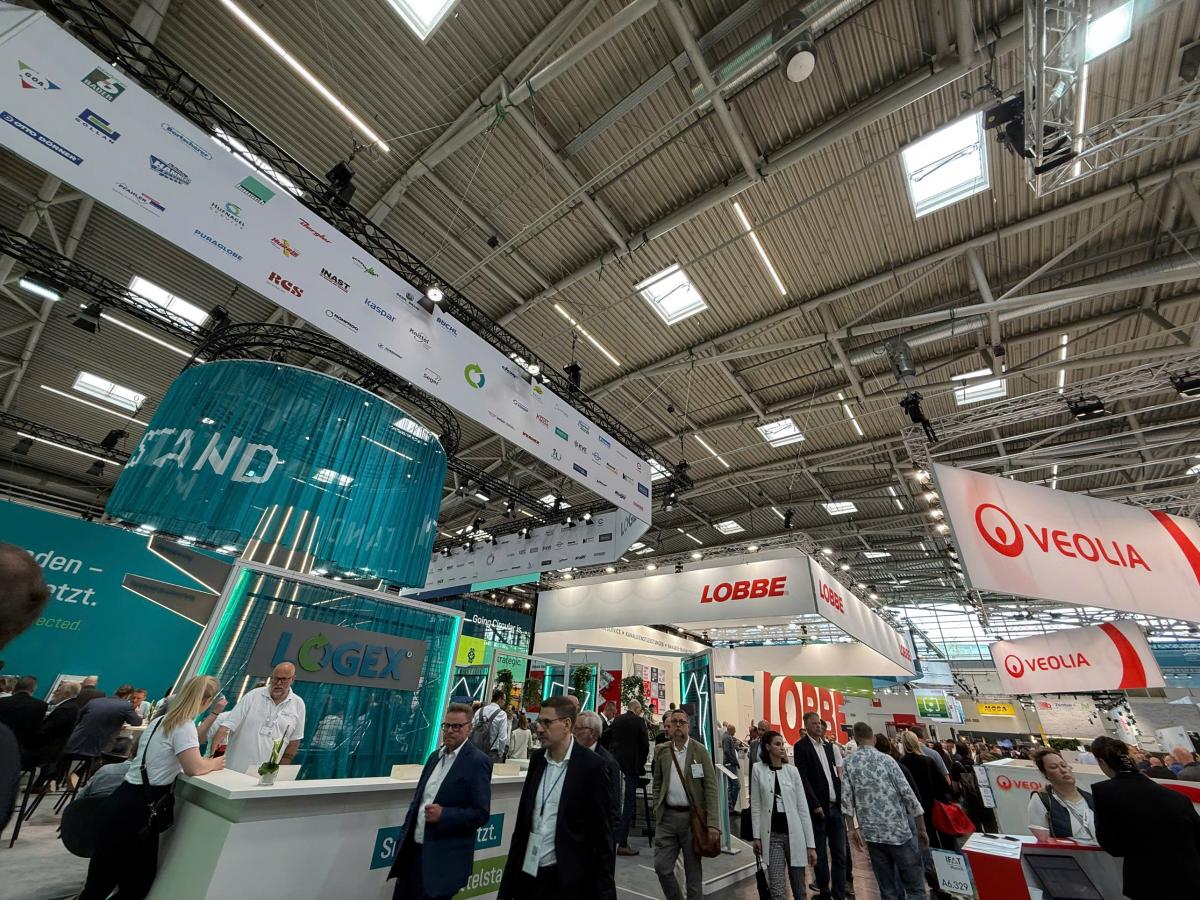
During the exhibition, the CNCTech team also explored various AI-powered waste management and automated sensor-based sorting technologies. These systems are capable of identifying and separating different types of metals, plastics, and industrial waste streams with far greater accuracy compared to traditional manual sorting methods. As a result, manufacturers can improve recycling efficiency while minimizing material loss throughout the production process.
Another notable example is the implementation of real-time water and energy consumption monitoring systems in many European manufacturing facilities. These systems can automatically detect abnormalities such as unusual water flow, leakage, or excessive energy consumption, enabling faster operational responses and reducing resource waste.
In addition, several major companies in the automotive and electronics industries are now implementing “zero discharge” manufacturing models — significantly minimizing or nearly eliminating wastewater discharge by recirculating and reusing most of the water within factory operations.
What stands out today is that “green technologies” are no longer viewed solely as environmental solutions. They are increasingly becoming strategic tools for improving manufacturing efficiency, optimizing operational costs, and building more sustainable industrial systems for the future.
For CNCTech, every business trip is not only an opportunity to connect globally, but also a continuous learning journey toward building a smarter, greener, and more sustainable industrial ecosystem.
Contact us to connect
Email: hello@cnctech.vn
Website: www.cnctech.com.vn
Phone: (+84) 868 208 111

Tin tức liên quan